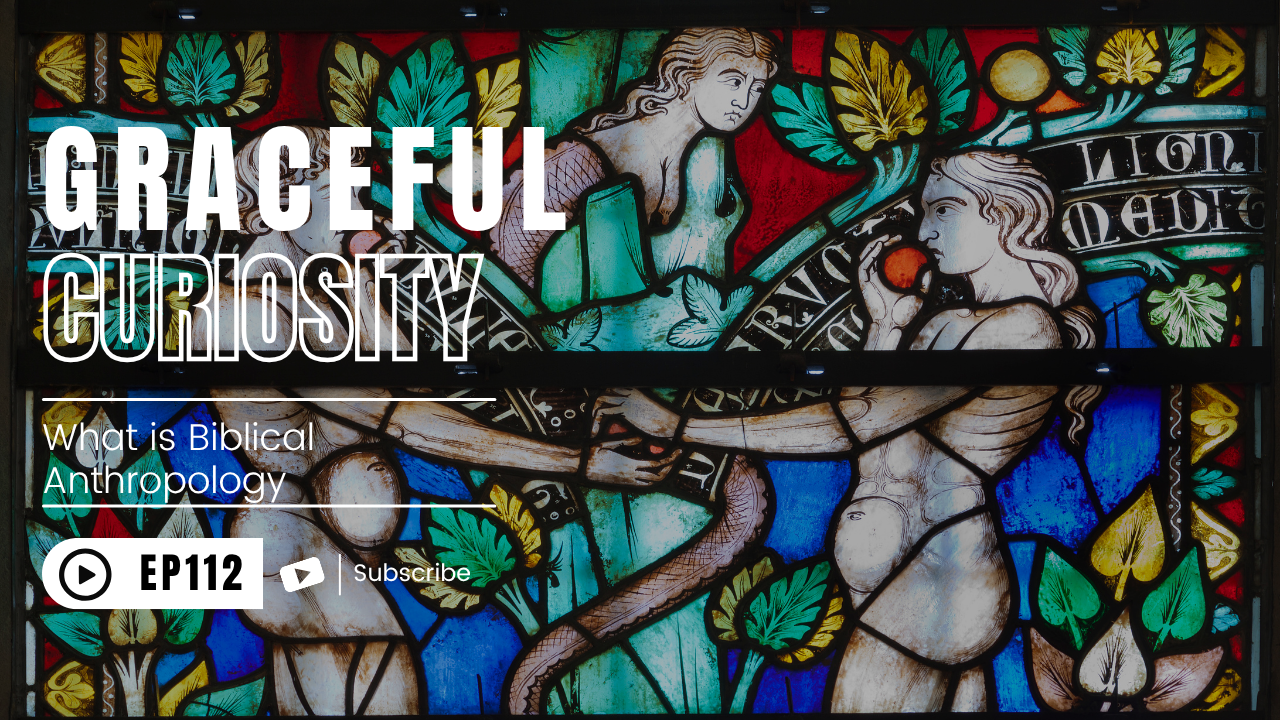
Episode 112 | What It Means to Be Human | Biblical Anthropology
Speaker: Henry Covert Series: What is Theology? Topic: Theology
Biblical Anthropology: Who Are We and Why Did God Create Us?
Few questions are more important than these:
Who are we? Why are we here? What does it mean to be human?
The study of Biblical Anthropology seeks to answer those questions through the lens of Scripture. Unlike secular anthropology, which primarily studies human cultures, behavior, and development, biblical anthropology examines humanity from God's perspective. It asks questions about our origin, purpose, nature, destiny, and relationship with our Creator. Understanding what the Bible says about humanity helps us understand ourselves.
Humanity Was Created by God
The biblical story begins with a profound declaration:
Humanity exists because God intentionally created us.
Genesis presents human beings as the climax of creation. After creating light, land, vegetation, animals, and every other aspect of the created order, God creates humanity. This order is significant. Just as parents prepare a nursery before a child arrives, God prepares a world designed for human flourishing before creating Adam and Eve. Humanity is not an accident. Nor is humanity merely another animal species. Human beings occupy a unique place within creation.
Made in the Image of God
One of the most significant statements in all of Scripture appears in Genesis:
"Let us make man in our image."
This doctrine, known as the Imago Dei or "Image of God," forms the foundation of Christian anthropology. Although theologians have interpreted the concept in various ways throughout history, one of the most compelling understandings is that humans reflect God's relational nature. Because God exists eternally as Father, Son, and Holy Spirit, humanity was created with the capacity for:
- Relationship
- Love
- Fellowship
- Community
- Moral responsibility
- Creativity
- Purpose
We are not identical to God. We are His image and likeness. Just as a sculptor creates a likeness of a king without reproducing the king in every detail, humanity reflects God's character without possessing His divine attributes.
Human Dignity Matters
The doctrine of the Image of God gives every human being immeasurable worth. Human value is not determined by:
- Intelligence
- Wealth
- Achievement
- Social status
- Health
- Productivity
Every person bears God's image. This includes the unborn. This includes the elderly. This includes the poor. This includes those with disabilities. This includes people we like and people we struggle to love. Human dignity is rooted in God's creation, not human accomplishment.
Body, Soul, and Spirit
Christian theology has often understood human beings as composed of:
Body
Our physical existence. The body allows us to interact with the world and reflects God's creative design.
Soul (Mind)
The center of personality, emotion, intellect, and identity. This includes our thoughts, desires, memories, and experiences.
Spirit
The dimension of human existence that enables relationship with God. It is the spiritual aspect of humanity designed for communion with our Creator. Scripture frequently portrays these aspects as interconnected. When one area suffers, the others are affected as well. Healthy Christian living involves caring for the whole person.
Humanity's Purpose
Why did God create us? Scripture points to several interconnected purposes.
Glorify God
Human life ultimately exists to reflect God's goodness and glory.
Worship God
Worship is not merely singing songs on Sunday. It is the orientation of life toward God.
Steward Creation
Adam and Eve were tasked with caring for creation.
This stewardship remains part of humanity's vocation.
Live in Community
Human beings were never intended to exist in isolation.
Family, church, friendship, and community all reflect God's relational nature.
Reflect God's Character
As image-bearers, we represent God to the world through our lives.
The Fall
The beauty of creation was disrupted by humanity's rebellion. Genesis 3 records the Fall, where Adam and Eve choose autonomy over trust and obedience. The consequences are profound:
- Sin enters the world.
- Shame enters human experience.
- Relationships become fractured.
- Death enters creation.
- Humanity becomes alienated from God.
What was intended for flourishing becomes marked by struggle. The Fall affects every aspect of life.
Original Sin and Human Nature
Christian theology teaches that sin does not merely describe individual bad actions. Sin affects human nature itself. This doctrine is often called Original Sin. The evidence is difficult to ignore. Human beings naturally drift toward:
- Selfishness
- Pride
- Greed
- Envy
- Dishonesty
- Self-centeredness
Parents rarely need to teach children how to be selfish. Instead, we spend years teaching:
- Kindness
- Generosity
- Patience
- Honesty
- Self-control
The tendency toward sin appears naturally. The virtues require formation.
Humanity Still Bears God's Image
Even after the Fall, the Image of God remains. Sin damages humanity, but it does not erase our value. This creates a tension within Christian theology.
Human beings are both:
- Fallen sinners
- Divine image-bearers
We are simultaneously broken and valuable. Corrupted and loved. Rebellious and pursued. This reality shapes how Christians are called to view every person they encounter.
Redemption Through Christ
God's response to human rebellion was not abandonment. It was redemption. Through Jesus Christ, God acts to restore what sin has damaged. The Gospel is the story of reconciliation. Jesus enters human history, lives the life we could not live, dies the death we deserve, and rises again to conquer sin and death. Through faith in Christ, human beings can be restored to relationship with God.
Sanctification
Salvation is not only forgiveness. It is transformation. Through the indwelling work of the Holy Spirit, believers begin the lifelong process of becoming more like Christ. Scripture calls this process sanctification.
The Christian life involves continual growth in:
- Love
- Holiness
- Wisdom
- Service
- Faithfulness
We do not accomplish this through sheer willpower. We cooperate with God's grace through the work of the Holy Spirit.
Death and Eternal Destiny
Because of sin, physical death remains a reality. Every human being must eventually confront mortality. Yet Christianity views death as neither final nor ultimate. The resurrection of Jesus points to future resurrection for His people. The Christian hope is not merely the survival of the soul. It is the restoration of the whole person.
Scripture promises:
- Resurrection
- New Creation
- Eternal Life
- Perfect Communion with God
For believers, death becomes a doorway rather than an ending.
Practical Application
Biblical anthropology changes how we live.
Love Your Neighbor
If every person bears God's image, then every person deserves dignity, compassion, and respect.
Care for Your Whole Person
Because we are body, soul, and spirit, all three require nurturing.
- Care for your physical health.
- Care for your mental and emotional well-being.
- Care for your spiritual life.
Serve Others
Human beings were created for community, not isolation. We flourish when we love, serve, and encourage one another.
Examine Yourself
The Christian life includes reflection, repentance, and spiritual growth. Regular self-examination helps us identify areas where God is continuing His work of transformation.
The Story of Humanity
The Bible tells a remarkable story:
Creation → Fall → Redemption → Restoration
- We were created in God's image.
- We fell into sin.
- We are redeemed through Christ.
- We will be restored in God's kingdom.
Understanding that story helps us understand ourselves. And when we understand who we are, we can better live the life God created us to live.